
The Allure of Casinos
Casinos are often perceived as vibrant entertainment venues, drawing countless individuals with their dazzling lights and exhilarating atmosphere. The excitement of games, the potential for substantial winnings, and the overall thrill create an irresistible magnet for many. Beyond merely being a place to gamble, casinos serve as social hubs where people gather, celebrate, and escape their daily routines, which is why many seek the best online pokies australia payid experience from the comfort of their homes. However, while the outward allure is apparent, the underlying costs of frequent visits often remain concealed.
The fun and thrill of experiencing games can make it easy for individuals to lose track of time and money. The immersive environment is meticulously designed to captivate visitors, encouraging them to stay longer and spend more. A casual evening can morph into an unexpected financial commitment, as players often find themselves drawn back into the games, lured by the hope of winning. This phenomenon is exacerbated by the psychological tactics employed by casinos, which can leave visitors unaware of how quickly their spending can spiral.
Moreover, the social dimension of casino visits can obscure the true financial implications. Many people justify their outings as opportunities for social bonding and entertainment, which they believe adds value to their lives. Yet, this perceived value can lead to overspending not just on gambling, but also on dining, drinks, and other amenities offered within the casino. As a result, the enjoyable aspects of these outings can ultimately contribute to a more substantial financial burden than initially anticipated.
The Financial Implications of Gambling
Frequent visits to casinos can lead to significant financial consequences that often go unexamined. Many individuals underestimate how quickly their expenses can accumulate during regular gambling sessions. In addition to wagering money on games, costs associated with dining, drinks, transportation, and other entertainment can add up swiftly. A seemingly innocent trip can transform into an expensive affair, leading to diminished disposable income for essential needs and priorities.
The potential for losses in gambling can also be profound. While wins may create excitement and a false sense of security, losses can accumulate in a manner that is difficult to ignore. Many players may fall into the trap of believing that they can recover their losses through continued gambling, leading to an unending cycle that can spiral out of control. This mindset can result in dire financial consequences, such as accumulating debt or depleting savings, leaving individuals in precarious situations.

Furthermore, the costs of gambling extend beyond immediate financial loss. The emotional repercussions of gambling can strain relationships and lead to increased stress and anxiety. Individuals may find themselves grappling with guilt or shame over their gambling habits, which can further exacerbate their financial difficulties. Understanding these multifaceted financial implications is crucial for anyone engaging in regular casino visits, as it sheds light on the broader impact gambling can have on their lives.
Emotional and Psychological Costs
The emotional and psychological toll of frequent casino visits can be profound, often going unnoticed until they manifest as serious issues. The highs of winning and the lows of losing create an emotional rollercoaster that can lead to chronic stress and anxiety. Over time, these emotional fluctuations may contribute to mental health challenges, including depression and feelings of loneliness, as individuals grapple with the pressures of their gambling habits.
As the thrill of the game evolves into an obsession, individuals may feel compelled to gamble more frequently in search of that euphoric high. This compulsive behavior can disrupt personal relationships and hinder engagement in other meaningful activities, leading to a decline in overall quality of life. Social pressure within peer groups to continue gambling can further exacerbate emotional struggles, making it challenging for individuals to recognize the need for help or a change in behavior.
The normalization of gambling in society can perpetuate harmful narratives about the activity being harmless or purely entertaining. This misconception can prevent individuals from recognizing the signs of developing gambling addiction and seeking the necessary support. Addressing the emotional costs associated with frequent casino visits is essential for promoting responsible gaming and encouraging open discussions about the potential dangers of gambling.
Long-Term Consequences of Frequent Visits
The long-term consequences of frequent casino visits can significantly alter an individual’s lifestyle and financial outlook. Regular gambling can necessitate reallocating financial resources, which may detract from savings, investments, and future planning. Individuals may find themselves unable to save adequately for emergencies or retirement, jeopardizing their long-term financial health and stability.
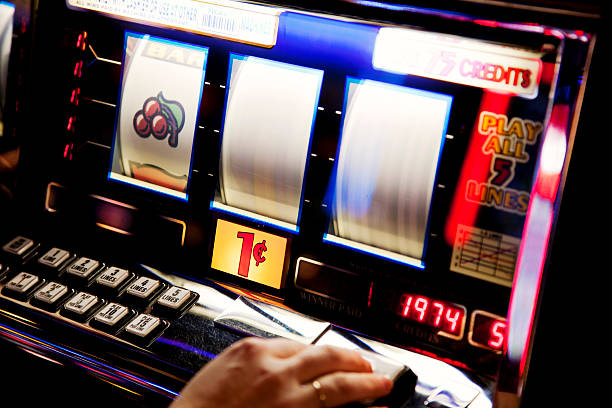
Additionally, the impact of frequent gambling can extend to career productivity. Individuals who allocate excessive time and mental energy to gambling may experience a decline in motivation and focus at work, leading to diminished performance and stagnation in career growth. This decline can result in lost promotions or job security, compounding financial stress and creating a difficult cycle to escape.
Moreover, the societal effects of increased gambling activities can be far-reaching. Communities may experience economic strain as individuals divert funds from essential services like education and healthcare to fuel their gambling habits. The potential rise in gambling-related crimes, such as fraud and theft, can have detrimental impacts on community safety and cohesion, underlining the importance of promoting responsible gaming practices and raising awareness about the broader implications of frequent casino visits.
Conclusion: Navigating Responsible Gambling
Recognizing the hidden costs associated with frequent casino visits is vital for anyone enjoying gambling as a form of entertainment. By understanding the potential financial, emotional, and societal implications, individuals can make informed choices regarding their gambling habits. Emphasizing responsible gambling practices is essential to mitigate the risks tied to frequent visits to casinos and foster a healthier relationship with gaming.
Establishing clear budgets and time limits around gambling activities is crucial to avoid overspending and emotional distress. Engaging with support systems, whether through friends, family, or professional organizations, can help create a balanced approach to gambling and encourage open discussions about the potential hidden costs. By fostering a culture of responsibility, individuals can enjoy the thrill of casinos while minimizing the negative impacts on their lives.
Ultimately, it is up to each individual to appreciate the exhilarating experiences casinos offer while remaining aware of the hidden costs associated with frequent visits. By maintaining mindfulness of these factors, they can ensure that their entertainment remains enjoyable and does not lead to lasting negative consequences in their lives and finances.